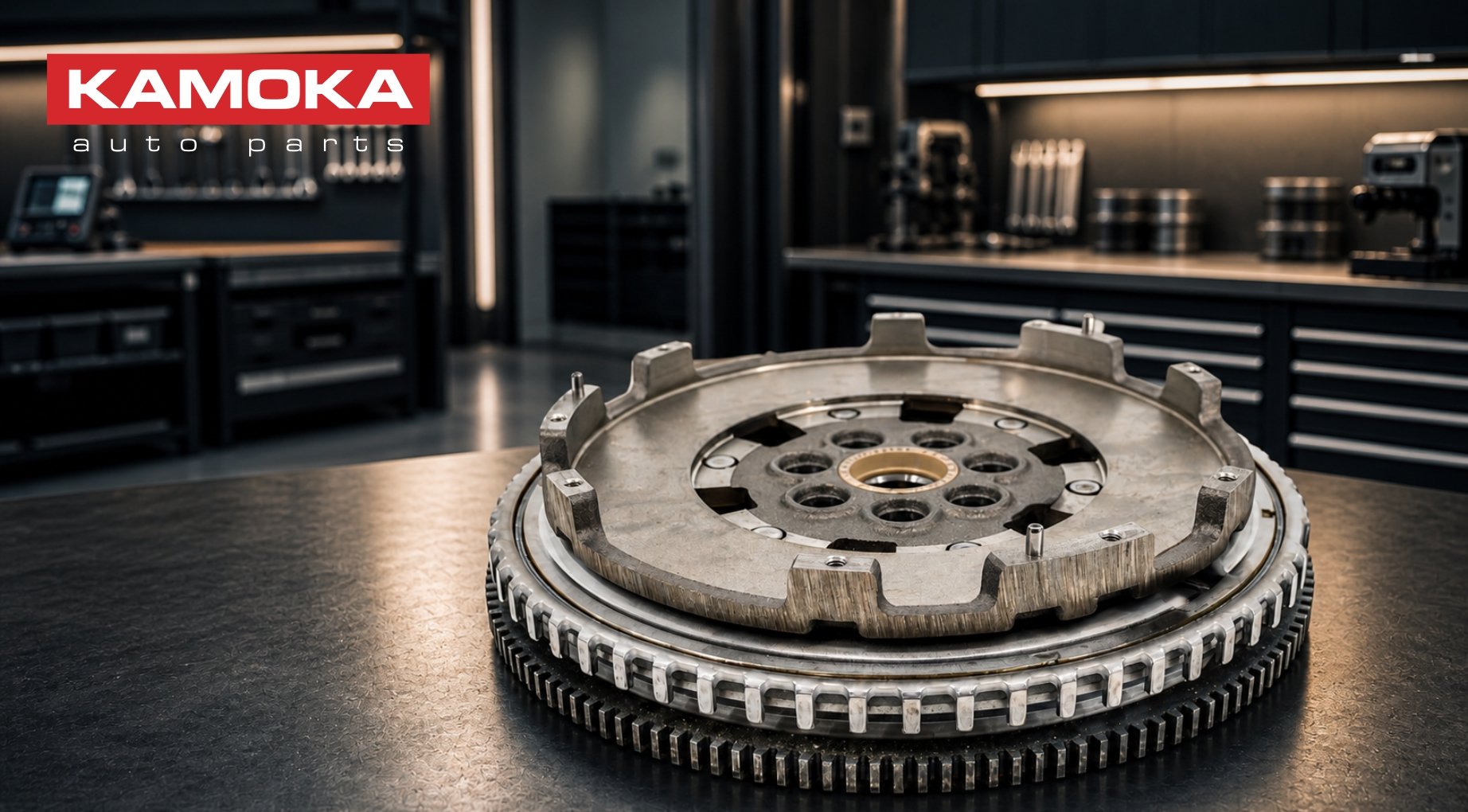
Dual-mass flywheel for dual-clutch transmissions — why is it crucial for the comfort and durability of the powertrain?
- 05.05.2026
Stable engine operation starts with vibration control
Modern powertrains operate under increasingly heavy loads. Engines generate high torque even at low RPMs, and automatic dual-clutch transmissions require precise and stable coordination of all drivetrain components.
Under these conditions, the dual-mass flywheel takes on particular importance, especially in vehicles equipped with dual-clutch transmissions such as DSG. Its role is to reduce torsional vibrations generated during engine operation. As a result, the drivetrain operates more smoothly, and the transmission, clutch, and other drivetrain components are better protected against excessive loads.
Technically, the dual-mass flywheel functions as a damping system that filters out vibrations generated by the engine before they are transmitted to the drivetrain.
Dual-mass flywheel vs. dual-clutch transmission
Dual-clutch transmissions, including the popular DSG transmissions, operate differently than classic manual transmissions. Their operation relies on two clutches, which are responsible for smooth and rapid gear shifting. Such a system requires very good vibration control and stable torque transmission.
That is why, in vehicles with a dual-clutch transmission, the dual-mass flywheel plays a particularly important role. It is responsible not only for driving comfort but also for protecting the transmission from overloads resulting from uneven engine operation.
In KAMOKA’s product range, the vast majority of dual-mass flywheels are specifically designed for vehicles with dual-clutch transmissions. This is important information for workshops and distributors, as it addresses the actual demand in the aftermarket.
What is the dual-mass flywheel responsible for?
The dual-mass flywheel is located between the engine and the clutch system. In practice, it is responsible for improving the smoothness of the entire drivetrain. Its role is particularly important during takeoff, gear changes, driving at low RPM, and when stalling and restarting the engine.
The most important functions of the dual-mass flywheel are:
- damping torsional vibrations caused by uneven engine operation,
- protecting the transmission from jerks and overloads,
- supporting the smooth operation of the dual-clutch transmission,
- improved driving comfort, especially at low RPMs,
- reduction of noise and vibration in the drivetrain,
- stable torque transmission.
A properly selected and functional dual-mass flywheel helps maintain smooth drivetrain operation, which translates into both driver comfort and the service life of associated components.
When might a dual-mass flywheel require inspection?
Wear on a dual-mass flywheel does not always occur suddenly. Often, the first symptoms are subtle and gradually worsen. In the case of vehicles with a dual-clutch transmission, it is worth paying particular attention to:
- vibrations felt in the body,
- metallic knocking sounds when starting or turning off the engine,
- jerking when pulling away,
- uneven or less smooth transmission operation,
- noise coming from the area around the transmission,
- vibrations while driving at low RPMs,
- deterioration in shifting comfort.
These symptoms do not always indicate a failure of the dual-mass flywheel alone. They may also result from wear on the clutch, engine mounts, transmission, or other drivetrain components. Therefore, a proper diagnosis should be performed at a service center.
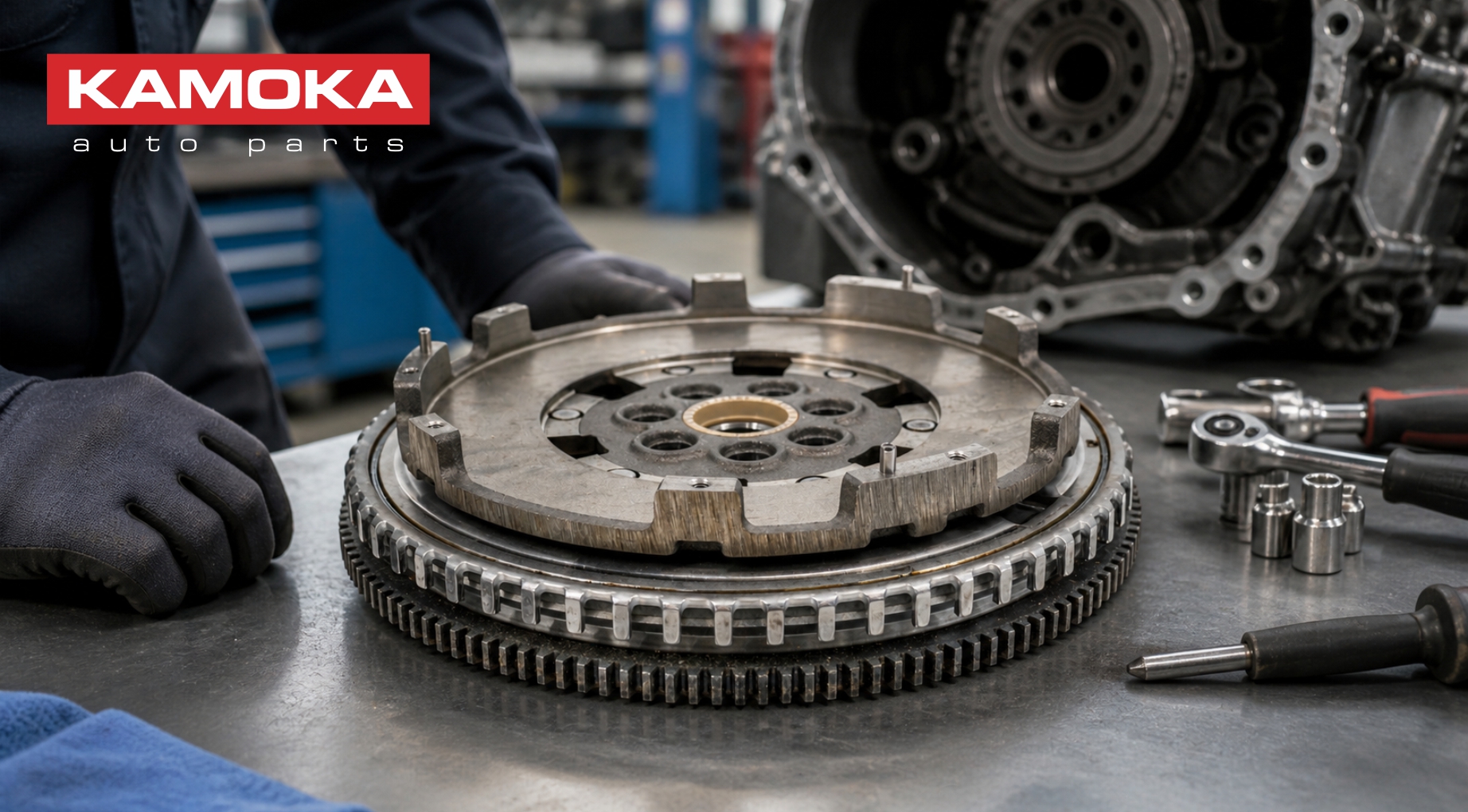
Fig. 1. KAMOKA flywheel Source: KAMOKA auto parts
KAMOKA dual-mass flywheel — a solution primarily for dual-clutch transmissions
KAMOKA dual-mass flywheels are designed to effectively dampen torsional vibrations and ensure stable drivetrain operation. It is particularly important that KAMOKA’s product range focuses primarily on dual-mass flywheels intended for dual-clutch transmissions, including popular DSG-type solutions.
This addresses the needs of modern vehicles, where driving comfort, quick gear changes, and transmission durability depend on the precise interaction of all drivetrain components.
KAMOKA dual-mass flywheels stand out for:
- precision of manufacture,
- wear resistance,
- compatibility with start-stop systems,
- OE-compliant curb weight,
- effective torsional vibration damping,
- and compatibility with the requirements of modern dual-clutch transmissions.
Compliance with OE requirements helps maintain the proper operating parameters intended for a given vehicle. This is particularly important in dual-clutch transmissions, where an improperly selected component can affect the transmission’s performance and the load on associated components.
Why should you not ignore wear on the dual-mass flywheel?
A faulty dual-mass flywheel affects more than just ride comfort. It can increase the loads transferred to the clutch, transmission, and drivetrain mounting components. In the case of dual-clutch transmissions, this is particularly important because the transmission requires stable operating conditions and precise torque transfer.
For this reason, whenever servicing the clutch system or diagnosing transmission operation, it is advisable to inspect the condition of the dual-mass flywheel. Assessing the clearances, working surface, and overall condition of the component helps avoid a situation where a new or functional clutch system operates with a worn-out flywheel.
Part selection matters
The dual-mass flywheel should be matched to the specific engine, transmission, and vehicle model. In the case of dual-clutch transmissions, proper part selection is particularly important, as even minor design differences can affect clutch operation, vibration damping, and shift comfort.
Therefore, before purchasing, it is advisable to consult the parts catalog and select a product based on the vehicle’s specifications or part number. KAMOKA products can be viewed in the online catalog and at the brand’s distributors. The product page also offers the option to search for parts in the catalog and check where to purchase the selected item.
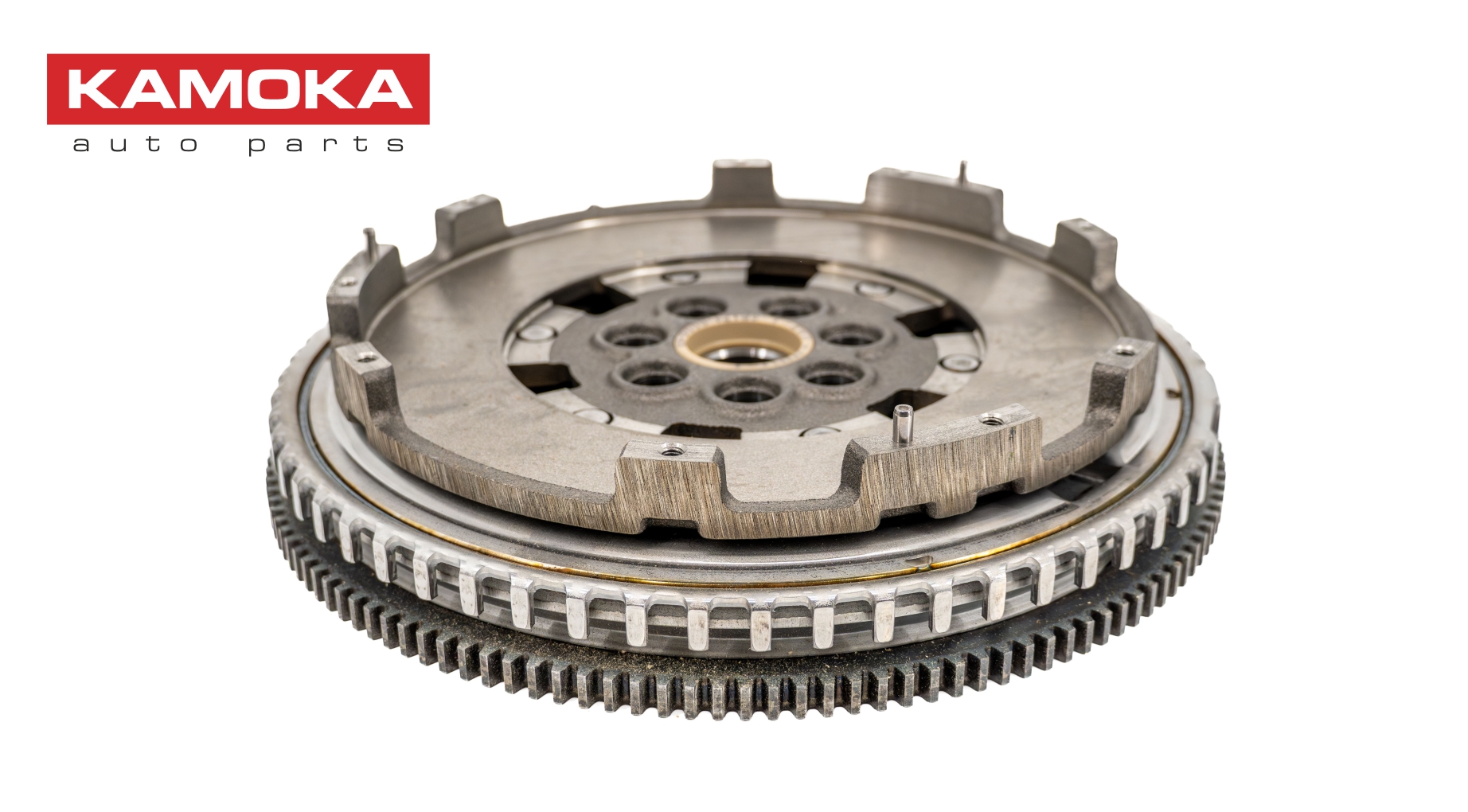
Fig. 2. KAMOKA flywheel Source: KAMOKA auto parts
The dual-mass flywheel is one of the key components responsible for the comfort, smoothness, and durability of the drivetrain. Its role is to effectively reduce torsional vibrations and protect components that work with the transmission and clutch system.
Within the KAMOKA product range, dual-mass flywheels designed for dual-clutch transmissions, including DSG-type solutions, are of particular importance. It is this segment that constitutes the main focus of the product range and addresses the needs of modern drivetrains.
KAMOKA dual-mass flywheels combine effective vibration damping, precision manufacturing, wear resistance, compatibility with start-stop systems, and OE-compliant weight. This is the solution for workshops, distributors, and drivers who expect stable drivetrain operation and the durability of associated components.
Check out the KAMOKA dual-mass flywheel in the online catalog and select the part for your specific vehicle.



